My Sliding Wardrobe Door Is Dragging. What Part Do I Need?
A sliding wardrobe door should move smoothly along the track without needing force. When it starts dragging, the issue is usually with the rollers, guides, track, or alignment.
The right replacement part depends on the source of the resistance. Before ordering spare parts, it helps to check how the door is moving and which part is causing the problem.
Start by Checking Where the Door Is Dragging
Open and close the door slowly while watching the bottom edge. If the door is catching along the bottom track, the bottom rollers may be worn, loose, or sitting too low.
Then look at the top of the door. If the door leans forward or feels unstable, the issue may be with the top guides or top rollers rather than the bottom wheels.
If the Bottom of the Door Is Catching
A door that scrapes along the bottom track often points to a problem with the bottom rollers. These rollers carry most of the door’s weight, so they are one of the first parts to show wear.
You may need replacement bottom rollers if the wheels are cracked, flattened, loose, or no longer raise the door properly. If your current fittings include an anti-jump feature, replace them with the same type to help keep the door secure on the track.
If the Door Feels Heavy to Move
A sliding wardrobe door can feel heavy when the rollers are no longer turning freely. Dust and debris can build up around the wheels, but older rollers may also seize or wear down over time.
Clean the track first, then test the door again. If the door still feels heavy, check whether the wheels spin smoothly. If they do not move freely, replacement rollers are likely to be the right part.
If the Door Is Leaning
A leaning door can make one side drag against the track or frame. This is often caused by roller height being out of adjustment, but it can also happen when a roller has failed on one side.
Check whether the door sits level. If one side has dropped and adjustment does not correct it, inspect the roller on that side for damage. A replacement bottom roller may be needed.
If the Door Is Coming Off the Track
If the door keeps lifting out of the bottom track, the rollers may not be holding the door correctly. This can happen when the roller is damaged, badly adjusted, or missing an anti-jump fitting.
In this case, check the bottom roller assembly first. If your wardrobe system uses anti-jump rollers, replacing like-for-like is important because the fitting helps reduce the risk of the door leaving the track during normal use.
If the Top of the Door Is Rubbing
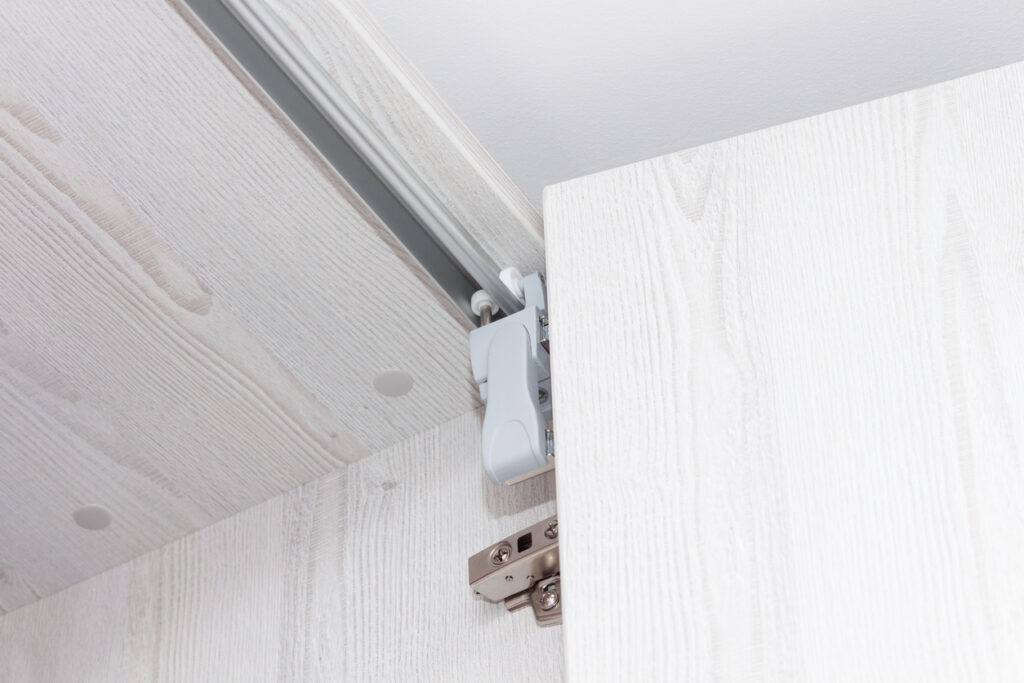
Dragging is not always caused by the bottom rollers. If the top of the door rubs against the upper track, the top guide or top roller may be damaged, missing, or fitted incorrectly.
Top guides help keep the door positioned as it moves. If they are worn or broken, the door may shift out of line and create resistance at the top of the opening.
If the Track Looks Damaged
A damaged track can stop even new rollers from working properly. Look for dents, bends, raised sections, or heavy wear where the wheels run.
If the track is damaged, replacing the rollers alone may not solve the problem. You may need a replacement track set so the wheels have a smooth, level surface to run along.
If the Door Has a Soft Close
Soft-close systems can affect how the door moves at the end of its travel. If the door only drags near the closing point, the soft-close part may be misaligned or worn.
Check the soft-close mechanism separately from the rollers. If the door moves smoothly across most of the track but struggles near the end, the issue may be with the soft-close fitting rather than the main running gear.
Should You Adjust the Door or Replace a Part?
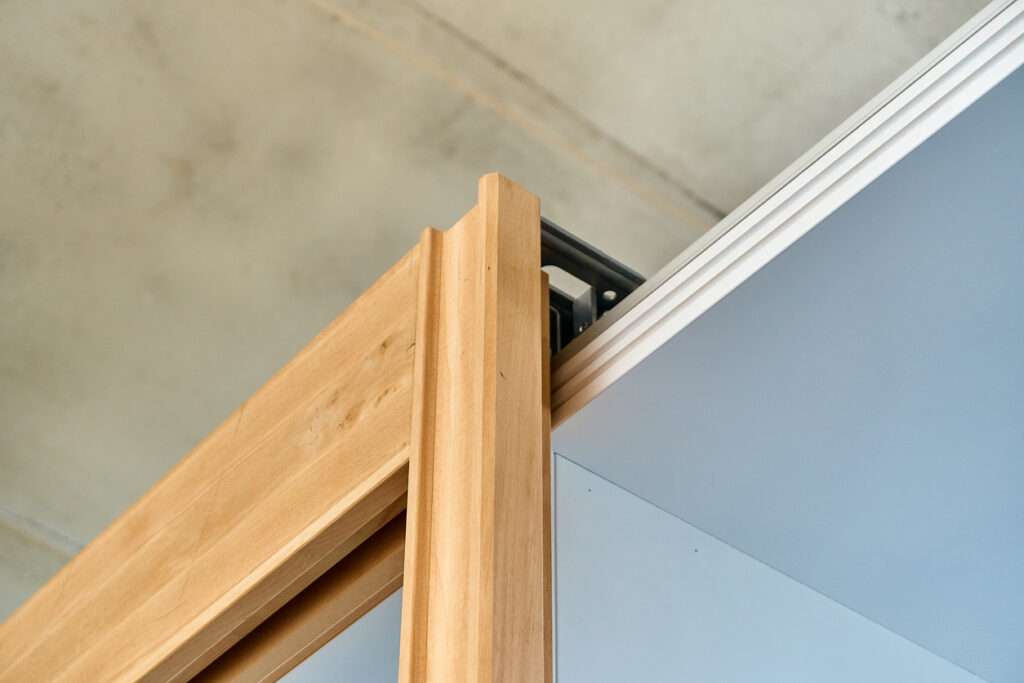
Adjustment should usually be your first step if the door is level, the wheels still turn, and there is no visible damage. Many sliding wardrobe doors allow you to raise or lower the bottom rollers to improve clearance.
Replacement is more likely when the wheel is damaged, the fitting is loose, or the door drops again after adjustment. If a part is visibly worn, adjusting it may only give a short-term fix. We also provide full sliding door kits if you need to replace your wardrobe door and all the fittings.
Which Part Do You Need?
If the bottom edge is scraping, check the bottom rollers. If the door is leaning, check the roller on the lower side. If the top of the door is rubbing, check the top guide or top roller. If the wheels move smoothly but the door still drags, inspect the track.
For older wardrobe systems, compare the existing part carefully before ordering. Look at the shape, fixing points, wheel style, and whether your current roller includes an anti-jump feature.
Can You Replace the Part Yourself?
Many sliding wardrobe spare parts can be replaced at home, especially rollers and guides. You will usually need to remove the door safely, swap the faulty part, refit the door, and adjust the height afterwards.
Sliding wardrobe doors can be heavy, so do not force the door out of the track. If you are unsure, ask someone to help lift the door and check the fitting before removing any screws.
Find the Right Sliding Wardrobe Spare Part
A dragging wardrobe door does not always mean you need a new wardrobe. In many cases, replacing a roller, guide, track, or soft-close part can restore smooth movement.
Browse our sliding wardrobe spare parts to find replacement top rollers, bottom rollers, anti-jump rollers, track sets, guides, brackets, and soft-close fittings. If you are not sure which part you need, compare your existing fitting with the product images before ordering.